Cumbria is one of England's most visited rural counties, home to the Lake District National Park, Hadrian's Wall, and a string of market towns that serve as practical bases for multi-day exploration. When staff quality drives your booking decision, the difference between a forgettable stay and a genuinely helpful one becomes clear fast - especially in a region where local knowledge about trail conditions, road closures, and off-season attractions can shape your entire trip.
What It's Like Staying in Cumbria
Cumbria stretches from the Scottish border in the north down to Morecambe Bay in the south, covering the entire Lake District as well as market towns like Carlisle, Penrith, and Keswick. Getting around without a car is genuinely difficult - bus services between smaller villages run infrequently, and many of the most scenic areas have no rail access at all. Visitors who arrive by train to Carlisle or Oxenholme typically rent a vehicle to reach Alston, Silloth, or the western fells. Crowds concentrate heavily between late July and August, particularly around Windermere and Grasmere, while northern areas like the North Pennines and Solway Coast remain noticeably quieter year-round. Cumbria rewards walkers, cyclists, and history enthusiasts - those seeking urban nightlife or dense public transport will find the experience frustrating.
Pros:
- Unmatched access to England's largest national park and Hadrian's Wall in a single base
- Northern towns like Carlisle and Wigton offer far lower accommodation prices than the central Lake District
- Genuinely unhurried pace outside peak summer weeks makes for a more authentic rural experience
Cons:
- A car is essentially mandatory - relying on buses between Alston, Silloth, and Carlisle adds hours to any itinerary
- Weather is unpredictable year-round, with heavy rain common even in June and September
- Accommodation availability in smaller towns fills quickly during school holidays, often weeks in advance
Why Choose Hotels with High Staff Ratings in Cumbria
In a region where visitors frequently need guidance on trail access, local road diversions, weather-related safety, and which pubs actually serve food on a Monday, staff quality isn't a luxury - it's a logistical asset. Hotels rated highly for staff in Cumbria typically sit in smaller, owner-operated or independently managed properties where the team has deep local knowledge rather than scripted hospitality. These properties often outperform larger chain hotels on personalised service while remaining competitive on price, frequently sitting around 20% below equivalent-star chain hotels in the Lake District core. The trade-off is that rooms may be smaller and facilities more limited than a large resort, but for travellers who need reliable recommendations on cycling routes, Roman sites, or quiet fishing spots, the staff interaction more than compensates.
Pros:
- Staff in locally-run Cumbrian hotels often provide real-time insight on trail conditions, seasonal closures, and hidden local stops that no app replicates
- Owner-managed properties in towns like Alston and Wigton tend to go beyond standard check-in, offering flexible meal times and packed lunch arrangements for early hikers
- Strong staff ratings correlate with faster problem resolution - critical when you're dealing with muddy gear, bike repairs, or last-minute itinerary changes in a rural setting
Cons:
- Smaller teams mean limited 24-hour reception coverage - late arrivals need to plan ahead
- High-rated staff properties in Cumbria's rural north book out quickly for summer weekends, often requiring advance booking of around 6 weeks
- Room variety is narrower than large hotels - expect fewer suite options or accessible room configurations
Practical Booking & Area Strategy for Cumbria
Cumbria's four main accommodation zones each serve different traveller profiles. Carlisle, in the north, works well as a base for Hadrian's Wall, the Scottish Borders day trips, and the Solway Coast - it's the county's only city and has the strongest transport links, with direct trains to Edinburgh and Manchester. Silloth and Wigton sit on the quiet Solway Plain, roughly an hour's drive west of Carlisle, offering coastal walks and access to the northern Lake District without the peak-season congestion of Keswick or Ambleside. Alston, England's highest market town at around 290 metres above sea level, is the gateway to the North Pennines AONB and the South Tynedale Railway narrow gauge line. Key attractions across the county include Hadrian's Wall, Brougham Castle, Housesteads Roman Fort, Thirlwall Castle, Whinlatter Forest Park, and the Derwentwater shoreline. Book at least 6 weeks ahead for any July or August travel, particularly for properties in smaller towns where room counts are low and demand spikes sharply during school holidays.
Best Value Stays
These properties deliver strong staff ratings and practical amenities at competitive price points, making them well-suited for budget-conscious travellers or those prioritising character over resort-style facilities.
-
1. Alston House Hotel
Show on map


 Check-infrom 14:00 until 20:00Check-outfrom 08:00 until 11:00
Just a few rooms left at the best rate!
from£ 149
-
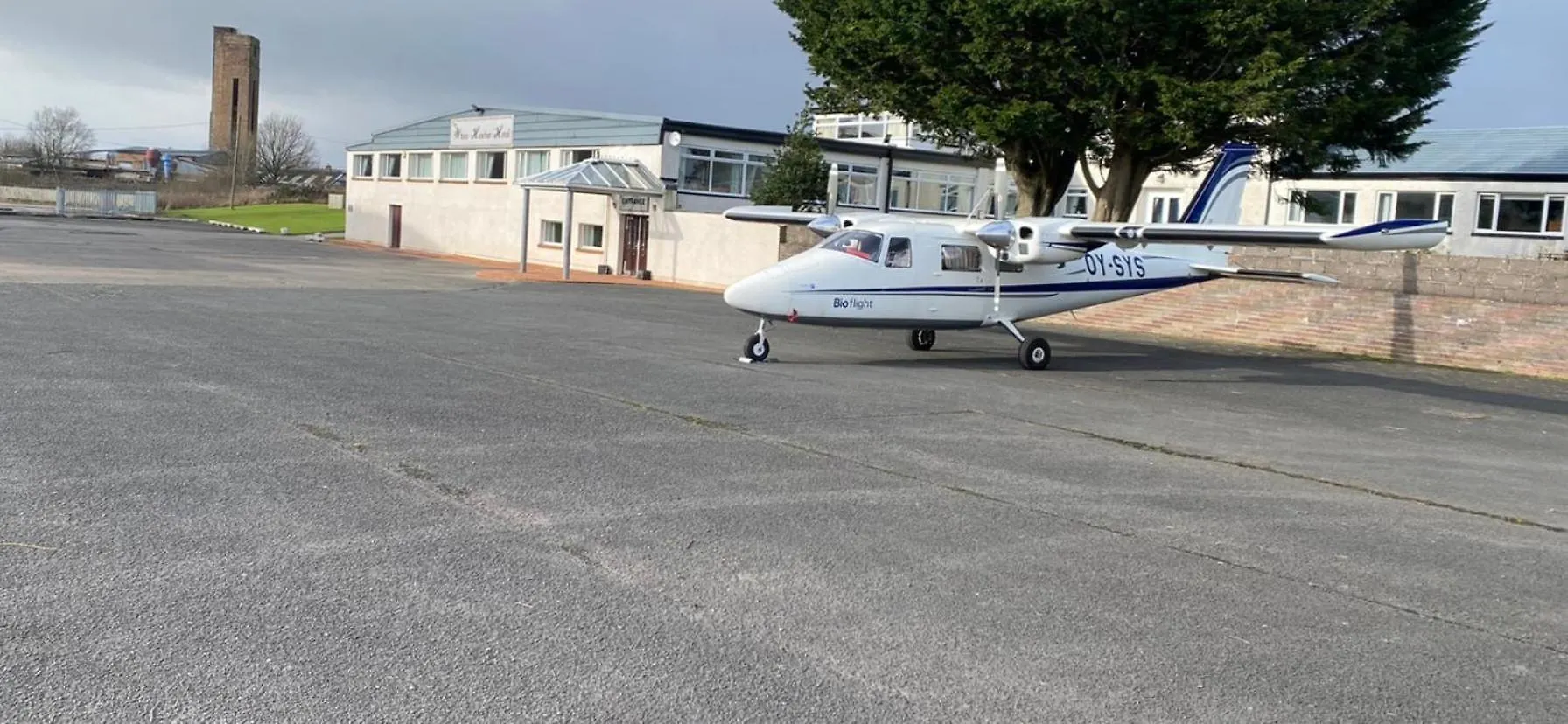
2. The White Heather Hotel
Show on map


 Check-infrom 15:00 until 22:00Check-outfrom 08:00 until 10:00
Just a few rooms left at the best rate!
Best Premium Stays
These properties offer enhanced facilities, more polished dining experiences, and stronger all-round service infrastructure - suited for travellers who want a more complete on-site experience alongside the high staff ratings.
-
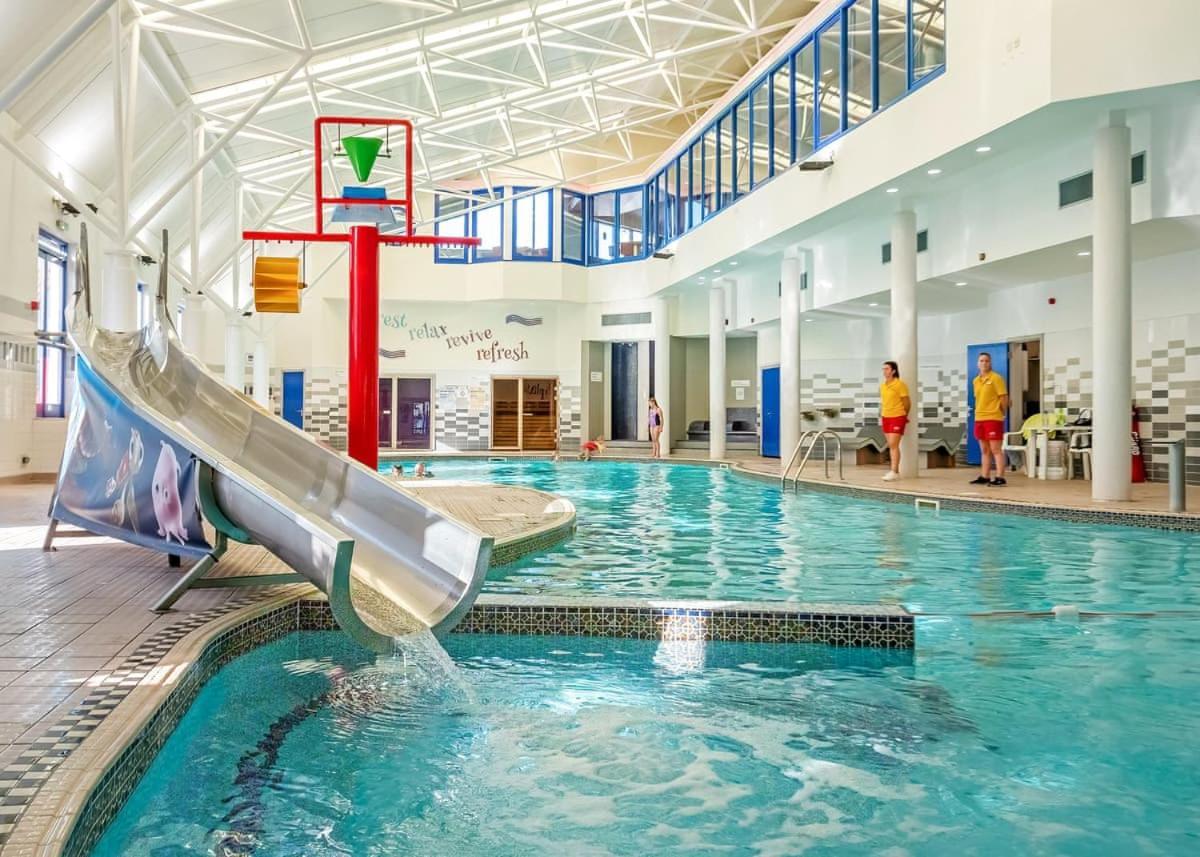
3. Stanwix Park
Show on map


 Check-infrom 16:00 until 23:59Check-outuntil 10:00
Hurry – almost gone at this price!
from£ 155
-
4. The Fleece At Ruleholme
Show on map


 Check-infrom 15:00 until 23:59Check-outuntil 11:00
Rooms filling fast – secure the best rate!
from£ 141
Smart Travel & Timing Advice for Cumbria
The clearest window for visiting Cumbria is late April through June - crowds haven't peaked, wildflower displays across the North Pennines are at their best, and accommodation prices sit noticeably below summer rates. August is the single most congested month, particularly in the Lake District core, with room availability in smaller towns like Alston and Wigton tightening sharply from mid-July onward. September brings a practical sweet spot: school holidays have ended, the weather remains relatively stable, and many properties in the north of the county still offer summer-season access to outdoor activities. Winter visits to Hadrian's Wall and the North Pennines are feasible but require flexibility - some smaller restaurants and bars operate reduced hours from November through February. Book at least 8 weeks ahead for any Bank Holiday weekend or late July stay, especially in properties with fewer than 20 rooms. For shoulder-season travellers, last-minute rates on weeknight stays can drop meaningfully, but availability at high-rated staff properties is never guaranteed beyond a few days out.